
Learn
Trading a small account when your salary still has to cover everything
How traders with limited capital turn daily constraints into sharper decision-making. Practical routines that fit around a full-time job, without needing to stare at charts all day.

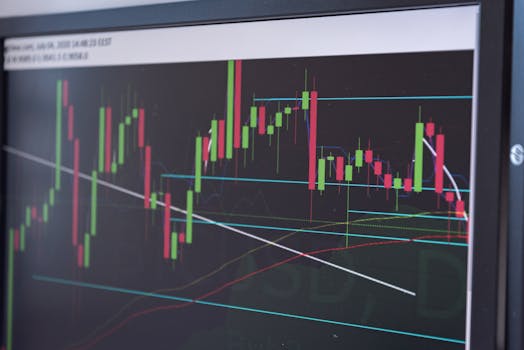
Most people open their first trading account while the rent, school fees, and monthly bills are still very real. The small balance is not a limitation you have to overcome first. It is the actual condition you learn inside. You sit with the chart at 3:17 a.m. in Lagos or after the kids are asleep in Bucharest and you feel the same stomach drop on a bad fill that every trader feels. The difference is that with limited capital the mistake shows up immediately in the numbers. ### One focused window instead of full sessions The London-New York overlap still produces the cleanest movement on most pairs. You do not need to watch it from start to finish. Mark your levels the evening before, set an alarm for the single hour that fits your local time, and step away once the plan is executed or the setup is no longer valid. That single hour repeated builds more edge than hours of screen time. ### Price and levels over indicator stacks Support and resistance, the shape of the candle at those levels, and how price reacts after a spike matter more than any added layer. A small account forces you to notice these things because every pip moves the equity visibly. Clean charts reduce the noise that usually leads to second-guessing. ### Risk that survives the inevitable bad month Half a percent per idea is the rule that keeps the account alive long enough for the lessons to land. It does not matter whether the balance is five hundred or two thousand. The habit of protecting capital is what transfers when the size eventually grows. ### Thirty to sixty minutes that fit around a real job Mark levels the night before. Journal the decisions the next morning. Review the full week on Sunday. Three active traders followed exactly this rhythm on this page last month while keeping their day jobs. Their focus stayed on routine and drawdown control rather than monthly profit targets. ### Moving from practice to tiny live size Only after three to six months of steady demo results with written rules do most traders move a small amount live. The account remains a training tool. The goal is still process adherence, not rescue. The repetition of these steps, done inside the constraints you already have, is what turns limited capital into usable skill.

Practice planner
Map a 12-month demo practice path
Adjust demo size and how often you study. This is a simple educational projection — not income advice or live trading results.
Hypothetical demo balance after 12 months
$1,719
Illustrative only. Demo results do not predict live trading outcomes.
Educational projection. Actual results vary — trading involves risk.
Frequently asked questions
Can I actually improve if my account is only a few hundred dollars?
How long before I should even think about real money?
What actually helps when I only have thirty minutes after work?
Which trading hours work if I finish my job at 5 pm?
How do I know my demo results are good enough?
Educational disclaimer
This article is for educational purposes only. It is not financial, investment, or trading advice. Trading forex and other leveraged products carries significant risk. Past performance does not predict future results. Consult a qualified advisor before trading live.
About SniperHouse — Educational trading content from practitioners who focus on risk management, market structure, and building a repeatable learning routine.
Last updated .