
Learn
Building a Forex Practice Routine That Survives Real Life
How European traders build a simple, repeatable forex practice habit on demo without burning out or quitting their day job. Focus on process, not promises.
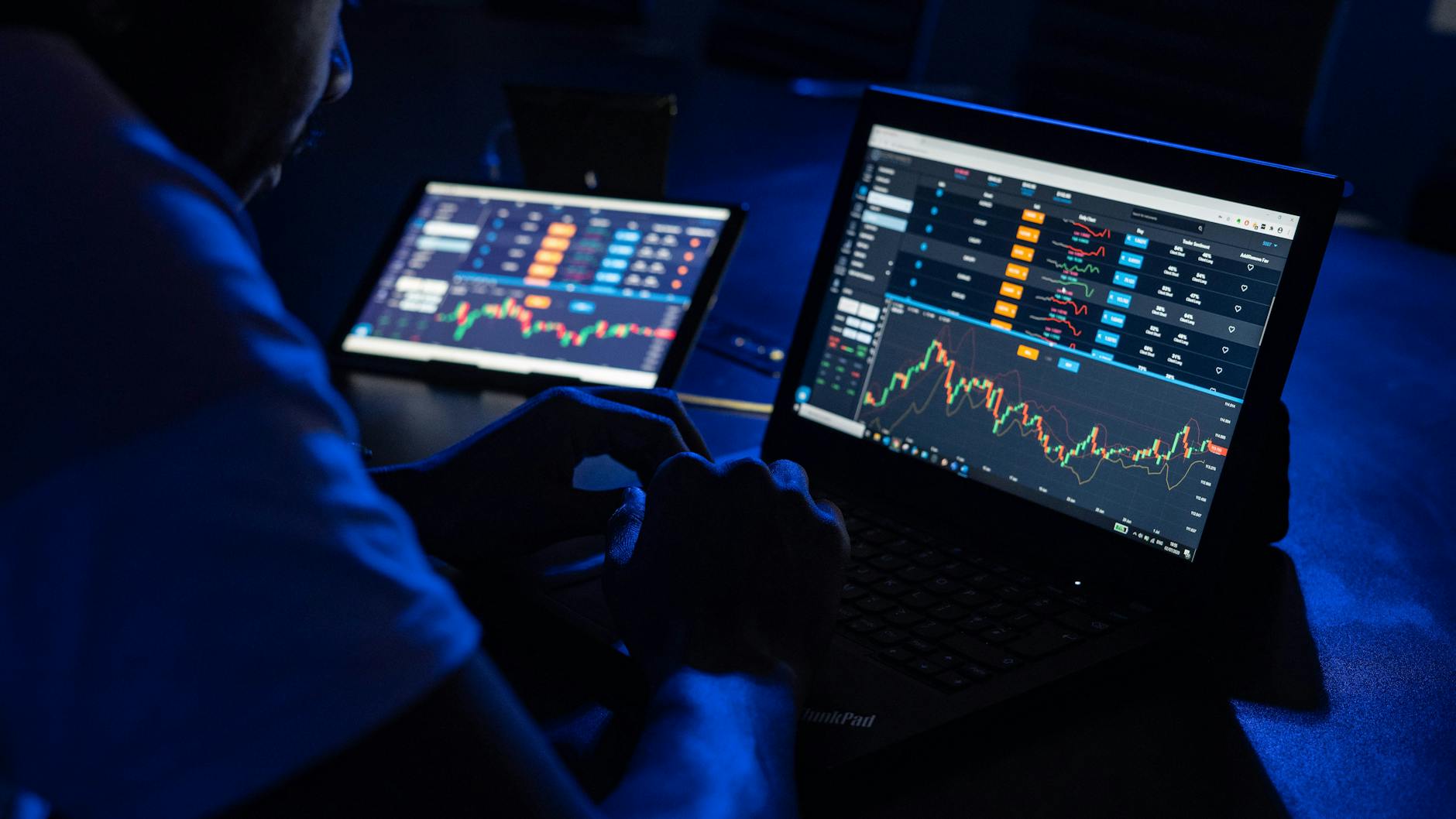
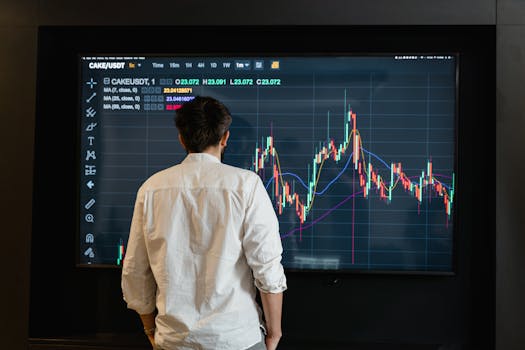
Most people who open a demo account last about eleven days before the routine collapses. They start with good intentions, then life gets in the way. The 7 a.m. train to work, the evening calls, the weekend plans. The chart time disappears. The traders who keep going treat the practice like brushing teeth. Short, boring, non-negotiable. Pick two pairs that actually move during your available hours. For most people in Europe that means watching how price behaves between 2 p.m. and 5 p.m. local time when London and New York overlap. You do not need to be glued to the screen the whole time. Fifteen minutes is enough. Open the chart, mark the obvious levels from yesterday, write down what you notice. Then close it. Before you ever click buy or sell on demo, decide the risk number first. Half a percent of the demo balance. Write it on paper or in a note on your phone. This single step stops most impulsive mistakes. After the trade is open, note three things only: why you entered, where you planned to get out, and one word for how it felt. That is it. At the end of the week read the notes. You will see your own patterns faster than any indicator can show you. One day a week you do nothing. No charts, no news, no exceptions. The market does not need you every day and neither does your learning. Three active traders on this exact page last month were still showing up after eight weeks. They all kept the same small daily window and the same simple notes. Nothing fancy. The goal is not to become a full-time trader overnight. It is to still have a working routine six months from now while you keep your current job.


Practice planner
Map a 12-month demo practice path
Adjust demo size and how often you study. This is a simple educational projection — not income advice or live trading results.
Hypothetical demo balance after 12 months
$1,719
Illustrative only. Demo results do not predict live trading outcomes.
Educational projection. Actual results vary — trading involves risk.
Frequently asked questions
I only have 30 minutes after work. Is that enough?
Should I practice during the London open even if I start work at 8?
How do I stop myself from revenge trading on demo after a loss?
Do I need to study economic calendars every day?
What if I miss two or three days in a row?
Educational disclaimer
This article is for educational purposes only. It is not financial, investment, or trading advice. Trading forex and other leveraged products carries significant risk. Past performance does not predict future results. Consult a qualified advisor before trading live.
About SniperHouse — Educational trading content from practitioners who focus on risk management, market structure, and building a repeatable learning routine.
Last updated .